
Introduction
The healthcare landscape is undergoing a significant transformation, driven by technological advancements and a growing desire for greater patient empowerment. Traditional models of healthcare, often reliant on centralized systems and limited access, are increasingly being challenged by a new paradigm: decentralized medicine. This shift, fueled by the proliferation of tele-health technologies, is fundamentally altering how patients receive specialized care, moving away from reliance on large, geographically-bound institutions and towards a more accessible and personalized approach. Says Dr. Sajad Zalzala, the rise of remote consultations, digital diagnostics, and patient-driven monitoring represents a powerful force reshaping the future of healthcare, promising to broaden access to specialized expertise and improve health outcomes for a wider population. This article will explore the key drivers behind this movement and examine its potential to democratize specialized healthcare.
The Rise of Tele-Health Technologies
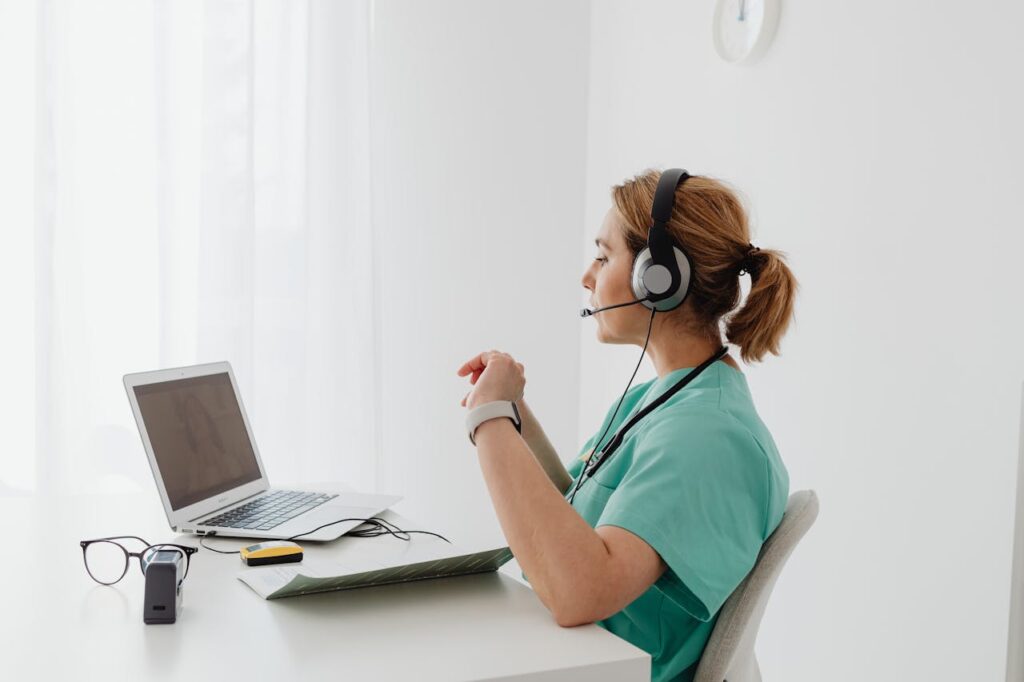
The foundation of decentralized medicine lies in the rapid evolution of tele-health technologies. Video conferencing platforms, secure messaging systems, and sophisticated remote monitoring devices have dramatically reduced the barriers to accessing specialized medical services. Tele-health platforms connect patients with physicians and specialists regardless of their location, offering a range of services from routine check-ups to complex diagnostic evaluations. The accessibility of these tools is increasingly driven by affordable mobile internet access and the development of user-friendly applications. Furthermore, advancements in wearable sensors and mobile health apps are generating a wealth of patient data, allowing for continuous monitoring and proactive intervention – a crucial element in managing chronic conditions and optimizing treatment plans. These technologies aren’t simply replacements for in-person visits; they’re increasingly integrated into a holistic approach to patient care.
Expanding Access to Specialized Expertise
One of the most compelling benefits of decentralized medicine is its potential to significantly expand access to specialized expertise, particularly for individuals in rural or underserved communities. Geographic limitations often restrict access to specialists who are concentrated in urban centers. Tele-health bridges this gap by allowing patients to consult with physicians and specialists remotely, eliminating the need for lengthy travel times and associated costs. This is particularly impactful for patients with rare diseases, those requiring specialized diagnostic testing, or those living in areas with a shortage of healthcare providers. The ability to connect with specialists through video consultations allows for a more efficient and personalized consultation process, leading to quicker diagnoses and more targeted treatment plans.
The Role of Patient Empowerment and Data-Driven Care
Decentralized medicine is not simply about technology; it’s fundamentally about empowering patients. Patients are increasingly taking a more active role in managing their own health through the use of digital tools and data-driven insights. Tele-health platforms allow patients to securely share their medical history, symptoms, and test results with their providers, fostering a more collaborative and informed healthcare experience. The collection and analysis of patient data through these platforms can also provide valuable insights into individual health trends, enabling proactive interventions and personalized care plans. This shift towards patient-centric care is a key component of the democratization of specialized healthcare.
Challenges and Future Directions
Despite its immense potential, decentralized medicine faces certain challenges. Ensuring data security and privacy remains a paramount concern, requiring robust cybersecurity measures and adherence to strict regulatory guidelines. Furthermore, digital literacy and access to reliable internet connectivity are crucial for equitable participation. Looking ahead, research and development efforts are focused on improving the interoperability of different platforms, expanding the range of services offered through telehealth, and integrating artificial intelligence to enhance diagnostic accuracy and treatment recommendations. The future of healthcare is undoubtedly intertwined with the continued evolution of decentralized medicine.
Conclusion
Decentralized medicine represents a transformative shift in healthcare, driven by the convergence of technology and a growing emphasis on patient-centered care. By leveraging tele-health technologies, we are democratizing access to specialized expertise, expanding geographic reach, and empowering patients to take greater control of their health. While challenges remain, the trajectory of this movement suggests a future where healthcare is more accessible, personalized, and ultimately, more effective for all.